

As a gas pump supplier, I often receive inquiries about converting gas pumps to dispense other liquids. This process is not only technically feasible but also offers a cost - effective solution for various industries. In this blog, I'll guide you through the steps of converting a gas pump to dispense other liquids, highlighting the key considerations and potential challenges.
Understanding the Basics of Gas Pumps
Before delving into the conversion process, it's essential to understand how gas pumps work. A typical gas pump consists of a motor, a pumping mechanism, a flow meter, and a dispensing nozzle. The motor powers the pumping mechanism, which draws the liquid from the storage tank and pushes it through the flow meter. The flow meter measures the volume of the liquid being dispensed, and the nozzle allows for controlled release of the liquid into the container.

Selecting the Right Liquid for Conversion
Not all liquids can be dispensed using a converted gas pump. The first step is to choose a liquid that is compatible with the materials used in the pump. For instance, some chemicals may corrode the pump's components, while others may have different viscosity levels that can affect the pump's performance. Common liquids that can be dispensed using a converted gas pump include water, diesel, and some light - duty oils.
Pre - Conversion Assessment
Once you've selected the liquid, the next step is to assess the gas pump. Check the pump's construction materials to ensure they are compatible with the new liquid. You need to consider factors such as chemical resistance, temperature tolerance, and pressure ratings. For example, if you plan to dispense a corrosive liquid, you may need to replace some of the pump's components with materials that are more resistant to corrosion, like stainless steel or certain types of plastics.
Modifying the Pumping Mechanism
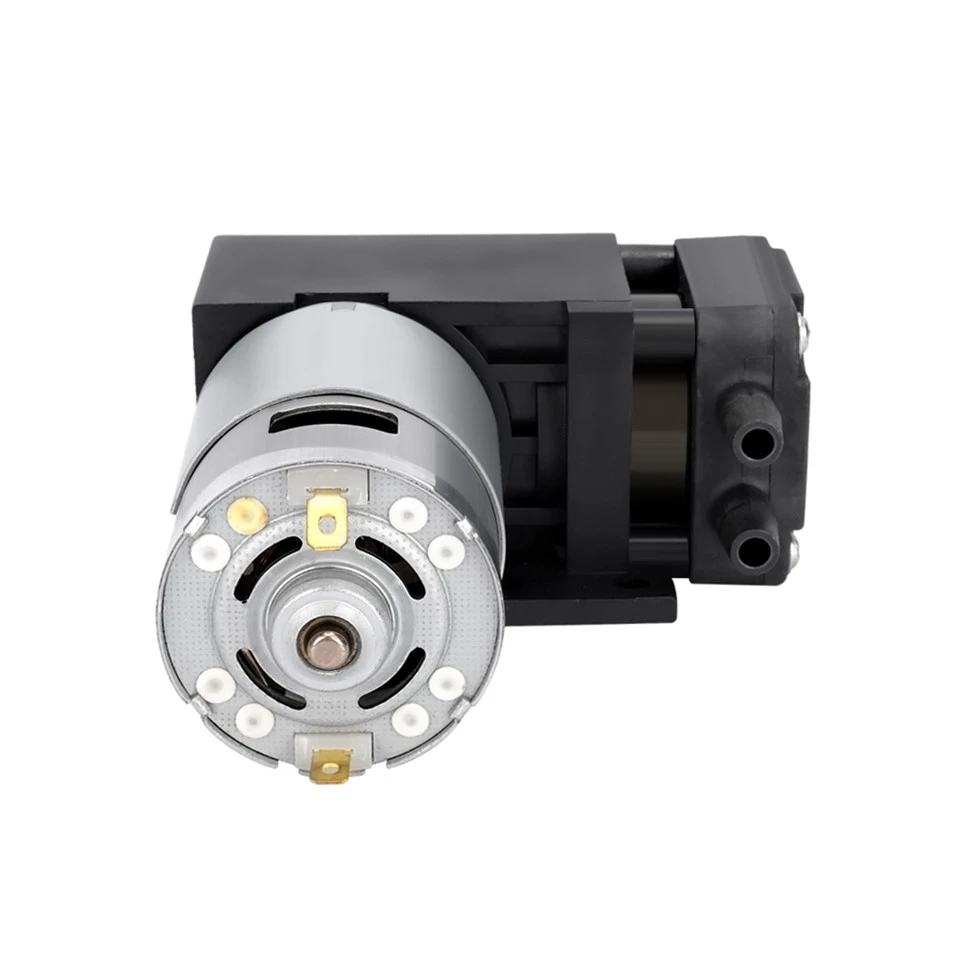
The pumping mechanism is the heart of the gas pump. Depending on the viscosity of the new liquid, you may need to make some adjustments. For low - viscosity liquids like water, the existing pumping mechanism may work fine. However, for more viscous liquids, you might need to upgrade the pump to a more powerful one. You can find suitable pumps on our website, such as the 12V 24V Mini Vacuum Pump, which offers reliable performance for a variety of liquid dispensing applications.
Upgrading the Flow Meter
The flow meter is responsible for accurately measuring the volume of the liquid being dispensed. Different liquids may require different flow meters. For example, a liquid with a high viscosity may need a flow meter that can handle the slower flow rate. Upgrading the flow meter ensures accurate measurement and billing for the dispensed liquid. You can also explore the High - Performance Diaphragm Pump Noise, which comes with advanced flow measurement capabilities.
Changing the Dispensing Nozzle
The dispensing nozzle is the final point of contact between the pump and the container. You need to select a nozzle that is suitable for the new liquid. Some liquids may require a nozzle with a larger or smaller opening to ensure proper flow and prevent spillage. For example, a liquid with a high surface tension may need a nozzle with a smaller opening to create a more controlled stream. The 12v DC Mini Water Pump Low Noise can be paired with a variety of nozzles to meet different dispensing needs.
Safety Considerations
Safety is of utmost importance when converting a gas pump to dispense other liquids. You need to ensure that the pump is properly grounded to prevent static electricity buildup, which can be a fire hazard, especially when dealing with flammable liquids. Additionally, you should install appropriate safety valves and pressure relief devices to prevent over - pressurization of the system.
Testing and Calibration
After making all the necessary modifications, it's crucial to test the pump thoroughly. Start by running a small amount of the new liquid through the pump to check for any leaks or malfunctions. Then, calibrate the flow meter to ensure accurate measurement. You may need to make some fine - tuning adjustments to the pump's settings to optimize its performance.
Maintenance and Long - Term Use
Regular maintenance is essential for the long - term use of the converted gas pump. You should clean the pump and its components regularly to prevent the buildup of debris and contaminants. Check the seals and gaskets for signs of wear and replace them as needed. Also, monitor the pump's performance over time and make any necessary adjustments or repairs.
Cost - Benefit Analysis
Converting a gas pump to dispense other liquids can be a cost - effective solution compared to purchasing a new pump specifically designed for the new liquid. However, you need to consider the cost of the modifications, including the cost of new components, labor, and testing. In many cases, the savings in not having to buy a new pump can outweigh the initial conversion costs, especially for small - to - medium - scale operations.
Industry Applications
There are numerous industry applications for converted gas pumps. In the agricultural sector, they can be used to dispense fertilizers and pesticides. In the automotive industry, they can be used to dispense coolant or brake fluid. In the manufacturing industry, they can be used to dispense lubricants and solvents.
Conclusion
Converting a gas pump to dispense other liquids is a viable option for many industries. By following the steps outlined in this blog, you can ensure a successful conversion process. As a gas pump supplier, we are committed to providing high - quality components and technical support to help you with your conversion project. If you're interested in converting your gas pump or need more information about our products, please don't hesitate to contact us for a detailed discussion and procurement negotiation.
References
- "Fluid Mechanics for Engineers" by Robert L. Mott
- "Pump Handbook" by Igor Karassik