

As a supplier of Negative Positive Pressure Pumps, I often encounter inquiries from customers regarding the maximum discharge height of these pumps. Understanding this parameter is crucial for various applications, as it directly impacts the pump's performance and suitability for specific tasks. In this blog post, I will delve into the concept of maximum discharge height, factors influencing it, and how it relates to our range of Negative Positive Pressure Pumps.
Understanding Maximum Discharge Height
The maximum discharge height of a pump refers to the vertical distance that the pump can lift a fluid from the suction point to the discharge point. It is a critical specification that determines the pump's ability to overcome gravity and deliver the fluid to the desired location. This parameter is typically measured in meters or feet and is an essential consideration when selecting a pump for applications such as water supply, irrigation, and industrial processes.
In the case of Negative Positive Pressure Pumps, the maximum discharge height is influenced by several factors, including the pump's design, power, and the properties of the fluid being pumped. These pumps are designed to generate both negative and positive pressure, allowing them to draw in and expel fluids efficiently. The maximum discharge height is determined by the pump's ability to create enough pressure to lift the fluid against gravity and overcome any resistance in the piping system.
Factors Influencing Maximum Discharge Height
Pump Design
The design of the Negative Positive Pressure Pump plays a significant role in determining its maximum discharge height. Factors such as the impeller design, pump casing, and the number of stages can all affect the pump's performance. Pumps with a more efficient impeller design and a well-designed casing can generate higher pressures, resulting in a greater maximum discharge height. Additionally, multi-stage pumps, which have multiple impellers arranged in series, can achieve higher pressures and therefore a greater maximum discharge height compared to single-stage pumps.
Power
The power of the pump is another crucial factor that influences the maximum discharge height. A more powerful pump can generate higher pressures, allowing it to lift the fluid to a greater height. The power of the pump is typically measured in horsepower (HP) or kilowatts (kW) and is directly related to the motor's size and efficiency. When selecting a pump, it is important to choose a model with sufficient power to meet the required maximum discharge height for your application.
Fluid Properties
The properties of the fluid being pumped can also affect the maximum discharge height of the Negative Positive Pressure Pump. Factors such as the fluid's density, viscosity, and temperature can all impact the pump's performance. Fluids with a higher density or viscosity require more energy to lift, resulting in a lower maximum discharge height. Additionally, high temperatures can cause the fluid to vaporize, which can reduce the pump's efficiency and maximum discharge height. It is important to consider the fluid properties when selecting a pump and to choose a model that is suitable for the specific fluid being pumped.
Our Range of Negative Positive Pressure Pumps
At our company, we offer a wide range of Negative Positive Pressure Pumps that are designed to meet the diverse needs of our customers. Our pumps are available in various sizes, power ratings, and configurations, allowing us to provide solutions for a wide range of applications.
One of our popular products is the Air Pump DC 12V - 24V. This pump is designed for applications that require a compact and efficient solution. It is capable of generating both negative and positive pressure and has a maximum discharge height that is suitable for many small-scale applications.
Another product in our range is the Diaphragm Micro Pump Low Pressure. This pump is ideal for applications that require a low-pressure solution. It is designed with a diaphragm that provides a gentle pumping action, making it suitable for pumping delicate fluids. The maximum discharge height of this pump is optimized for low-pressure applications.
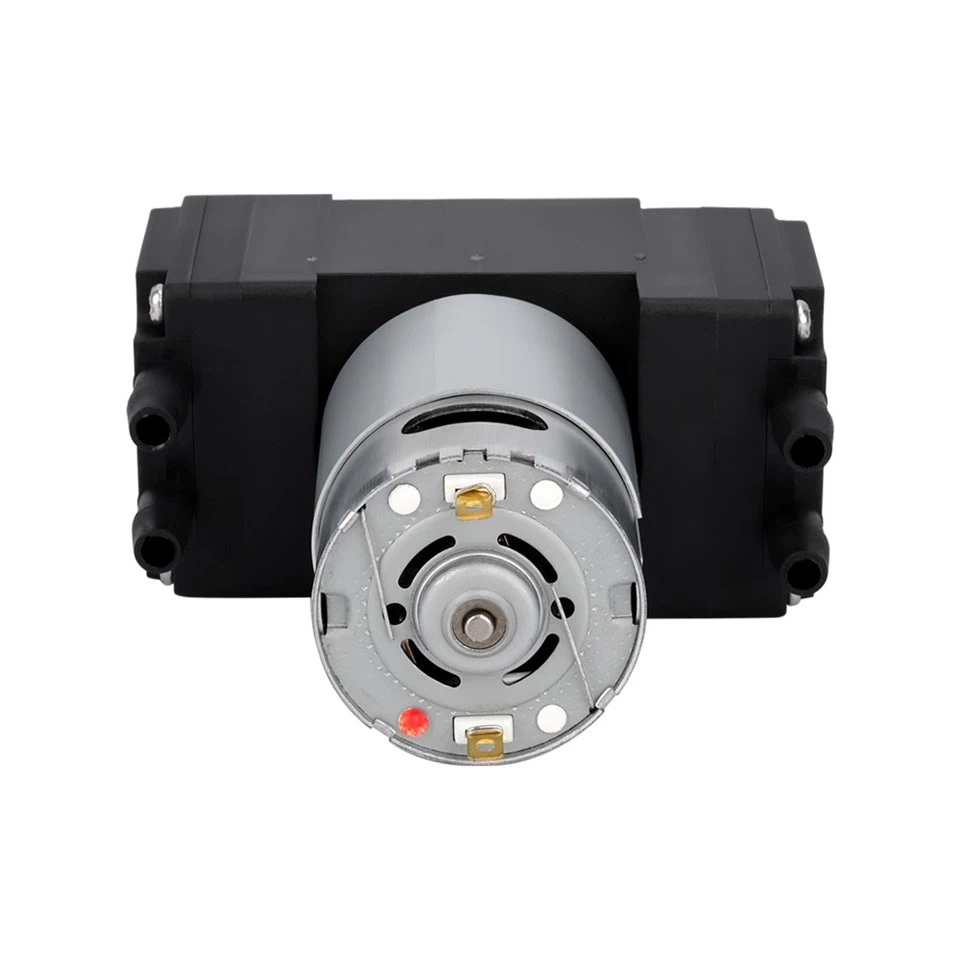
Our flagship product is the Negative Positive Pressure Pump. This pump is designed for applications that require a high-performance solution. It is available in various power ratings and configurations, allowing us to provide a pump that is suitable for a wide range of maximum discharge heights. Our engineers can work with you to select the right pump for your specific application based on your requirements.

Determining the Right Pump for Your Application
When selecting a Negative Positive Pressure Pump for your application, it is important to consider the maximum discharge height requirements. You should also take into account other factors such as the flow rate, the type of fluid being pumped, and the operating conditions.
To determine the maximum discharge height required for your application, you need to consider the vertical distance between the suction point and the discharge point, as well as any additional height required to overcome resistance in the piping system. You should also consider any future expansion or changes in your application that may require a higher maximum discharge height.
Once you have determined the maximum discharge height requirements, you can consult with our technical team to select the right pump for your application. Our team has extensive experience in pump selection and can provide you with expert advice and guidance to ensure that you choose the most suitable pump for your needs.
Contact Us for Procurement
If you are interested in purchasing a Negative Positive Pressure Pump or have any questions about our products, we encourage you to contact us. Our team of experts is ready to assist you in selecting the right pump for your application and can provide you with detailed information about our products and services.
Whether you are a small business looking for a compact and efficient pump or a large industrial company in need of a high-performance solution, we have the expertise and the products to meet your needs. Contact us today to start the procurement process and take advantage of our high-quality Negative Positive Pressure Pumps.
References
- Pump Handbook, Karassik et al.
- Fluid Mechanics, Frank M. White
- Pump Selection and Application, Igor J. Karassik