

Hey there! As a gas pump supplier, I often get asked about how gas pump flow meters work. It's a pretty interesting topic, and I'm excited to break it down for you in this blog post.
First off, let's talk about what a gas pump flow meter actually is. Simply put, it's a device that measures the volume of gas flowing through a gas pump. This is super important because it allows us to accurately charge customers for the amount of gas they're buying. Without a reliable flow meter, there'd be a lot of confusion and potential for over - or under - charging.
There are a few different types of gas pump flow meters, but the most common ones are positive displacement flow meters and turbine flow meters. Let's start with positive displacement flow meters.

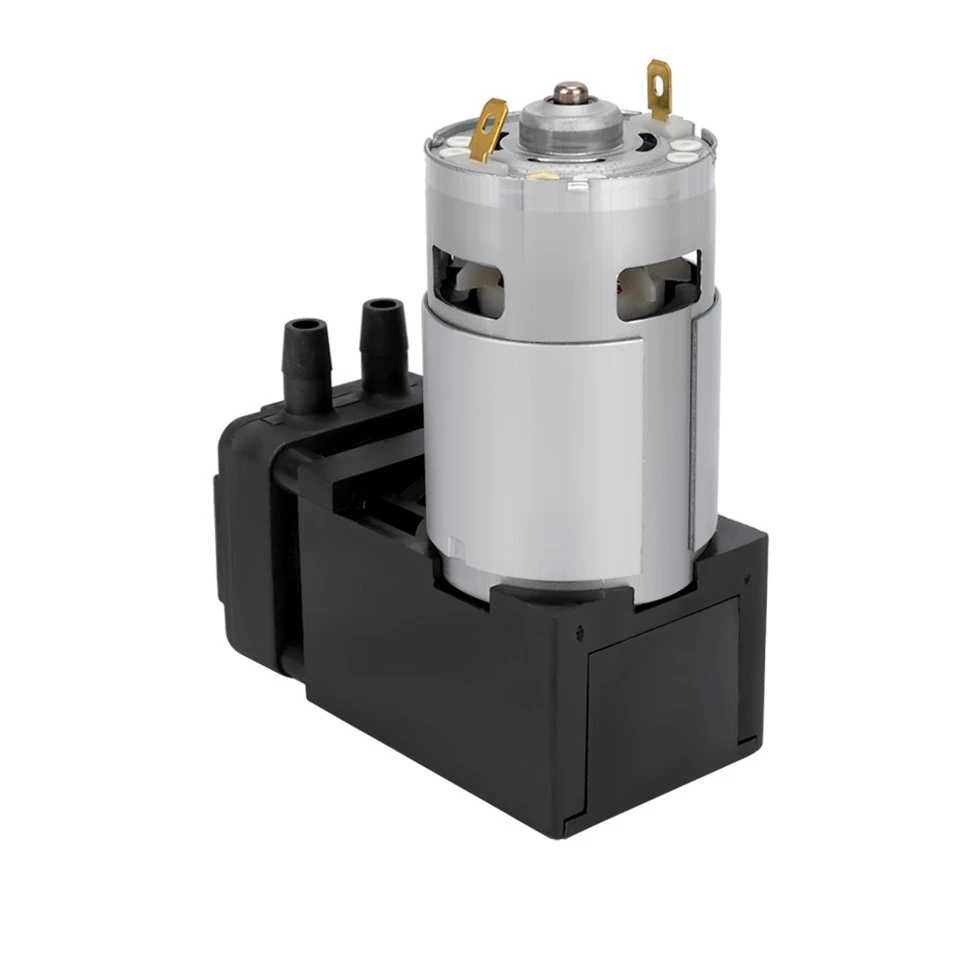
Positive Displacement Flow Meters
These are like the old - school workhorses of the gas pump world. The basic idea behind a positive displacement flow meter is that it traps a fixed volume of gas and then measures how many times this volume is filled and emptied as the gas flows through.
Think of it like filling up a small cup with gas over and over again. Each time the cup is filled and emptied, it represents a certain amount of gas. By counting how many times this happens, we can figure out the total volume of gas that has passed through the meter.
There are different designs of positive displacement flow meters. One common type is the rotary vane flow meter. In a rotary vane flow meter, there are vanes that rotate inside a chamber. As the gas enters the chamber, it pushes the vanes around, and each rotation corresponds to a specific volume of gas.
Another type is the oval gear flow meter. Here, two oval - shaped gears mesh together inside a housing. As the gas flows through, it causes the gears to rotate. Just like with the rotary vane meter, each rotation of the gears represents a set volume of gas.
Positive displacement flow meters are great because they're very accurate, especially at low flow rates. They can handle a wide range of viscosities, which is important when dealing with different types of gases. However, they do have some drawbacks. They can be a bit bulky and expensive to manufacture. Also, over time, the moving parts can wear out, which might affect their accuracy.
If you're interested in some related products, check out our Medical Air Pump Massager. It's a unique product that uses gas - related principles in a different application.
Turbine Flow Meters
Now, let's move on to turbine flow meters. These work on a different principle. A turbine flow meter has a turbine (kind of like a small fan) inside the pipe where the gas is flowing. As the gas passes through, it makes the turbine spin.
The speed at which the turbine spins is directly related to the flow rate of the gas. The faster the gas is flowing, the faster the turbine will spin. There are sensors that detect the rotation of the turbine and convert it into an electrical signal. This signal can then be used to calculate the volume of gas that has passed through the meter.
Turbine flow meters are pretty popular because they're relatively simple in design and can handle high flow rates well. They're also more compact compared to positive displacement flow meters. However, they're not as accurate at low flow rates as positive displacement meters. And they can be affected by things like gas density and viscosity.
If you're in the market for a more specialized gas - related product, take a look at our Chemical Resistant Diaphragm Vacuum Pump. It's designed to handle some tough chemical - gas applications.
How the Flow Meter Connects to the Gas Pump
Once the flow meter has measured the volume of gas, it needs to communicate this information to the gas pump's control system. This is usually done through electrical signals.
The flow meter sends a signal to a computer or a control unit in the gas pump. This unit then processes the signal and displays the amount of gas dispensed on the pump's display. It also calculates the cost based on the price per unit volume of gas.
When a customer starts pumping gas, the flow meter starts measuring the gas flow right away. As the gas flows through the meter, the signal is continuously sent to the control unit. The control unit keeps updating the display with the current volume and cost.
Maintenance and Calibration
To ensure that the gas pump flow meters work accurately, they need regular maintenance and calibration. Maintenance involves checking the moving parts (if it's a positive displacement meter) or the turbine (if it's a turbine meter) for wear and tear. It also includes cleaning the meter to prevent any blockages.
Calibration is the process of adjusting the flow meter to make sure it's measuring the volume of gas correctly. This is usually done by comparing the readings of the flow meter with a known standard. For example, a calibrated container of a specific volume can be used to check if the flow meter is dispensing the correct amount of gas.
Regular maintenance and calibration are crucial because inaccurate flow meters can lead to financial losses for both the gas station owner and the customers. If the meter is over - measuring, customers are paying more than they should. If it's under - measuring, the gas station is losing money.
If you're dealing with noise issues in your gas - related equipment, you might want to check out our High - Performance Diaphragm Pump Noise product page for some solutions.
Conclusion
So, there you have it! That's the working principle of a gas pump flow meter in a nutshell. Whether it's a positive displacement flow meter or a turbine flow meter, each type has its own unique way of measuring the volume of gas flowing through a gas pump.
As a gas pump supplier, we understand the importance of having reliable and accurate flow meters. We offer a wide range of gas pumps and related products to meet the needs of different customers.
If you're in the market for gas pumps or flow meters, or if you have any questions about how they work, don't hesitate to reach out. We're here to help you make the right choice for your business. Let's start a conversation about your gas - pump needs and see how we can work together.
References
- “Flow Measurement Handbook: Industrial Designs and Applications” by Richard W. Miller
- “Principles of Flow Measurement” by John W. Rose