

Hey there, fellow aquarium enthusiasts! As a supplier of aquarium silicone hoses, I often get asked about the temperature resistance of these hoses. It's a crucial factor to consider when setting up and maintaining an aquarium, so I thought I'd share some insights on this topic.
First off, let's talk about why temperature resistance matters. In an aquarium, the water temperature can vary depending on the type of fish and plants you have, as well as the environment. Some tropical fish require warmer water, while cold - water species need a cooler environment. The silicone hoses in your aquarium are constantly in contact with this water, and they need to withstand the temperature fluctuations without degrading or losing their functionality.
Aquarium silicone hoses are generally made from high - quality silicone rubber. This material has some great properties when it comes to temperature resistance. Most of the aquarium silicone hoses we supply can handle a wide range of temperatures. Typically, they can withstand temperatures from around - 40°F (- 40°C) to 446°F (230°C). That's a pretty impressive range!
At the lower end of the spectrum, the - 40°F (- 40°C) rating means that even in extremely cold conditions, the hose won't become brittle and crack. This is important if you live in an area with cold winters or if your aquarium is in a location where the temperature can drop significantly. For example, if you have an outdoor aquarium or a basement setup that gets cold at night, the silicone hoses will still be able to function properly.
On the other hand, the upper limit of 446°F (230°C) is well above the normal water temperatures you'd find in an aquarium. Even if there's a temporary spike in temperature due to a malfunctioning heater or other issues, the hose won't melt or deform. This gives you peace of mind knowing that your aquarium's plumbing system is reliable.
But how does the temperature affect the performance of the silicone hoses? Well, at lower temperatures, the flexibility of the hose may decrease slightly. It might not bend as easily as it does at room temperature, but it will still be able to maintain its integrity. As the temperature rises, the hose remains flexible and retains its shape. It also doesn't release any harmful chemicals into the water, which is crucial for the health of your fish and plants.
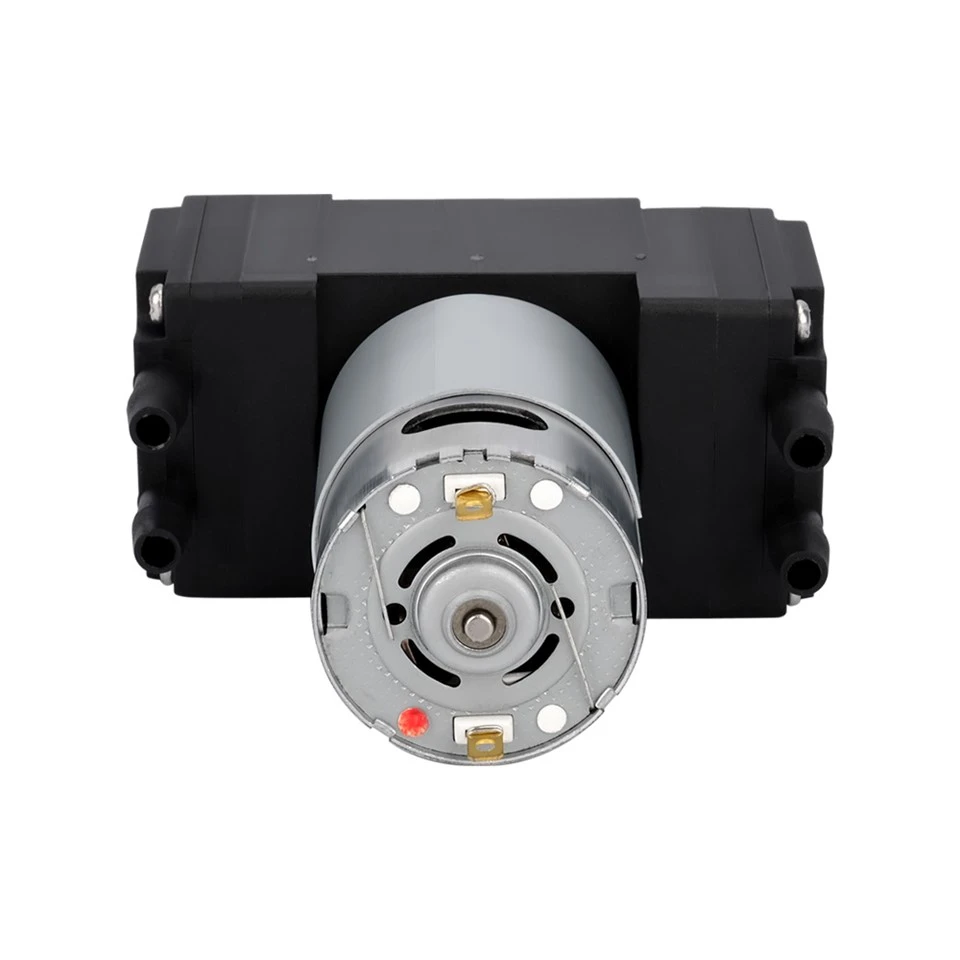
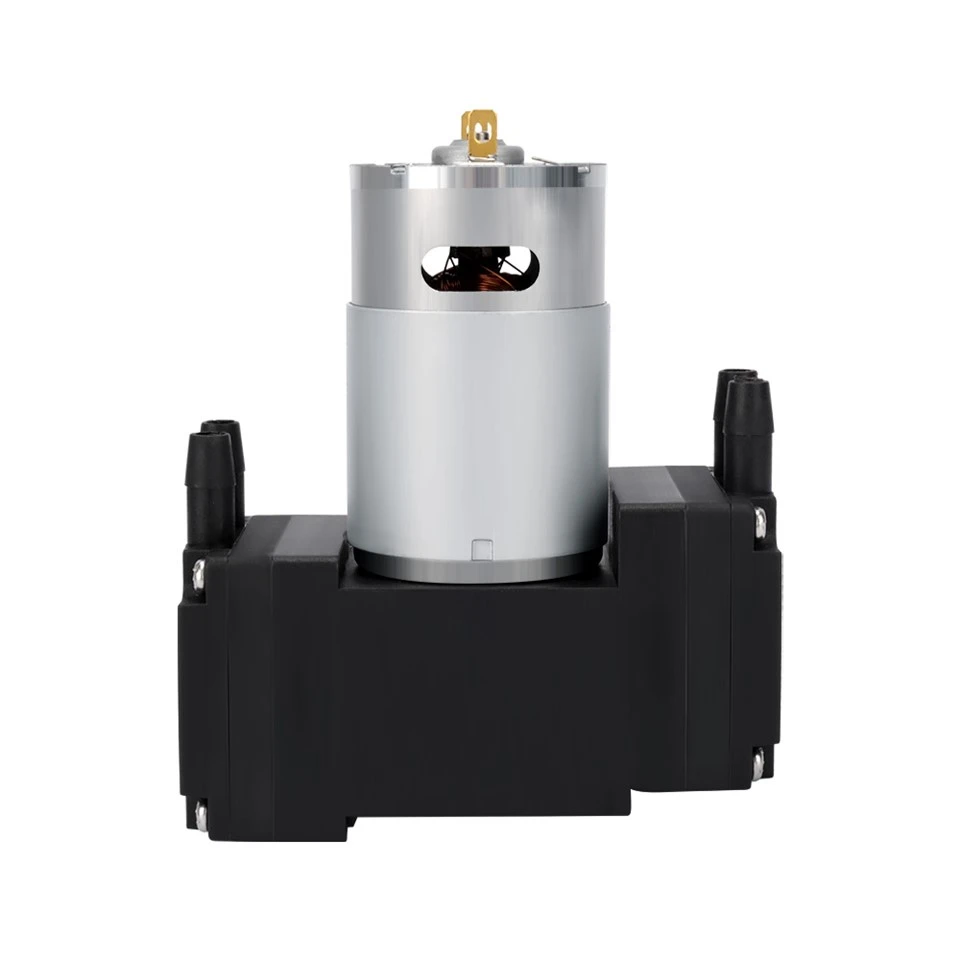
Now, let's talk about some practical applications. When you're setting up your aquarium, you'll likely use silicone hoses to connect various components such as pumps and filters. If you're using a Mute Mini Water Air DC Diaphragm Pump, the silicone hose needs to be able to handle the water flow and the temperature of the water being pumped. The same goes for a Micro Stainless Steel Gear Pump or a 12V Piston Compressor DC Air Pump.
In a freshwater aquarium, the water temperature usually ranges from 72°F (22°C) to 82°F (28°C). This is well within the comfortable range for our silicone hoses. They'll work just fine, providing a secure and leak - free connection between all the parts of your aquarium system.
In a saltwater aquarium, the temperature requirements can be a bit more specific, often around 75°F (24°C) to 80°F (27°C). Again, our silicone hoses are more than capable of handling these temperatures. They're also resistant to the corrosive effects of saltwater, which is an added bonus.
When it comes to choosing the right silicone hose for your aquarium, it's not just about the temperature resistance. You also need to consider the size of the hose. The diameter of the hose should match the fittings on your pumps and filters. A hose that's too small can restrict the water flow, while a hose that's too large may not provide a proper seal.
Another thing to keep in mind is the wall thickness of the hose. Thicker - walled hoses are generally more durable and can handle higher pressures. If you have a high - flow pump or a complex aquarium setup, you might want to opt for a hose with a thicker wall.
We've done a lot of testing on our aquarium silicone hoses to ensure their quality. We simulate different temperature conditions in our lab to make sure they perform as expected. We also test for other factors such as flexibility, tear resistance, and chemical compatibility.
If you're in the process of setting up a new aquarium or upgrading your existing one, I highly recommend considering our aquarium silicone hoses. They offer excellent temperature resistance, along with other great features. Whether you're a beginner or an experienced aquarist, our hoses will help you create a reliable and efficient aquarium system.
If you have any questions about our aquarium silicone hoses or need help choosing the right ones for your setup, don't hesitate to get in touch. We're here to assist you with all your aquarium plumbing needs. Whether you're looking for a single hose or a bulk order for a large - scale aquarium project, we can provide you with the best products at competitive prices. So, let's start a conversation and get your aquarium up and running smoothly!
References
- "Silicone Rubber Properties and Applications" - A technical guide on silicone rubber materials
- "Aquarium Plumbing Basics" - An industry - standard resource for aquarium setup and maintenance