

Hey there! As a supplier of medical peristaltic pumps, I've seen firsthand how important the operating environment is for these machines. In this blog, I'll spill the beans on what the operating environment requirements are for a medical peristaltic pump.
Temperature
First off, let's talk about temperature. Medical peristaltic pumps are sensitive to temperature changes. Most pumps are designed to operate within a range of 5°C to 40°C (41°F to 104°F). If the temperature goes below 5°C, the fluid in the pump may thicken, which can cause the pump to work harder and potentially lead to premature wear and tear. On the other hand, if the temperature exceeds 40°C, the pump's materials may expand, affecting the pump's accuracy and performance.
Extreme temperatures can also impact the motor and electronic components of the pump. For instance, high temperatures can cause the motor to overheat, reducing its lifespan. So, it's crucial to place the peristaltic pump in an area where the temperature can be controlled within the recommended range. If you're in a region with harsh climates, consider using a temperature - controlled cabinet for the pump.
Humidity
Humidity is another key factor. The ideal relative humidity for a medical peristaltic pump to operate is between 10% and 90%. High humidity levels can lead to condensation inside the pump. This moisture can damage the electrical components, causing short - circuits or corrosion. Corrosion can gradually eat away at the metal parts of the pump, leading to leaks or malfunctions.
On the low - humidity side, overly dry conditions can generate static electricity. Static can interfere with the pump's electronic circuits and also cause problems with the tubing. The tubing may become more brittle in dry air, increasing the risk of cracking. To maintain the proper humidity, you might want to use a dehumidifier in humid areas or a humidifier in dry ones.
Air Quality
The air quality in the pump's operating environment matters a lot. The pump should be placed in an area with clean air. Dust, dirt, and other particulate matter can get into the pump's moving parts, such as the rollers and the motor. This can cause abrasion and increase friction, which not only reduces the pump's efficiency but also shortens its service life.
Chemicals and fumes in the air can also be harmful. Some chemicals may react with the pump's materials, especially the tubing. For example, certain solvents can dissolve or degrade the tubing, leading to fluid leakage. If the operating environment has a high risk of chemical exposure or a lot of dust, it's advisable to use air filters or enclosures to protect the pump.
Vibration and Shock
Medical peristaltic pumps are precision instruments, and they don't like excessive vibration or shock. Vibration can cause misalignment of the pump's components, such as the rollers and the tubing. This misalignment can lead to uneven pressure on the tubing, affecting the flow rate accuracy.
Shocks, whether from accidental bumps or nearby machinery, can damage the internal components of the pump. For example, a sudden shock can break the circuit boards or loosen the connections. To minimize the impact of vibration and shock, place the pump on a stable surface. If there are other vibrating machines nearby, use vibration - isolating pads to reduce the transmission of vibrations.
Electrical Environment
A stable electrical environment is essential for the proper functioning of a medical peristaltic pump. The pump should be connected to a reliable power source with the correct voltage and frequency. Fluctuations in voltage can cause the pump to operate erratically. For example, a sudden drop in voltage may cause the pump to slow down or stop, while a voltage surge can damage the electronic components.
It's also important to have proper grounding. Grounding helps protect the pump from electrical surges and reduces the risk of electrical shock to the users. If you're using the pump in an area with an unstable electrical supply, consider using a voltage stabilizer or an uninterruptible power supply (UPS).

Compatibility with Surrounding Equipment
In a medical setting, peristaltic pumps often work in conjunction with other equipment. It's important to ensure that the pump is compatible with the surrounding devices. For example, if the pump is used to transfer fluids to an infusion set, the flow rate and pressure of the pump should match the requirements of the infusion set.
Also, electromagnetic interference (EMI) can be a problem. Other electronic devices in the vicinity, such as monitors, defibrillators, etc., may emit electromagnetic waves that can interfere with the pump's operation. To avoid EMI, keep the pump at a safe distance from other electronic equipment and use shielding cables if necessary.
Our Product Offerings
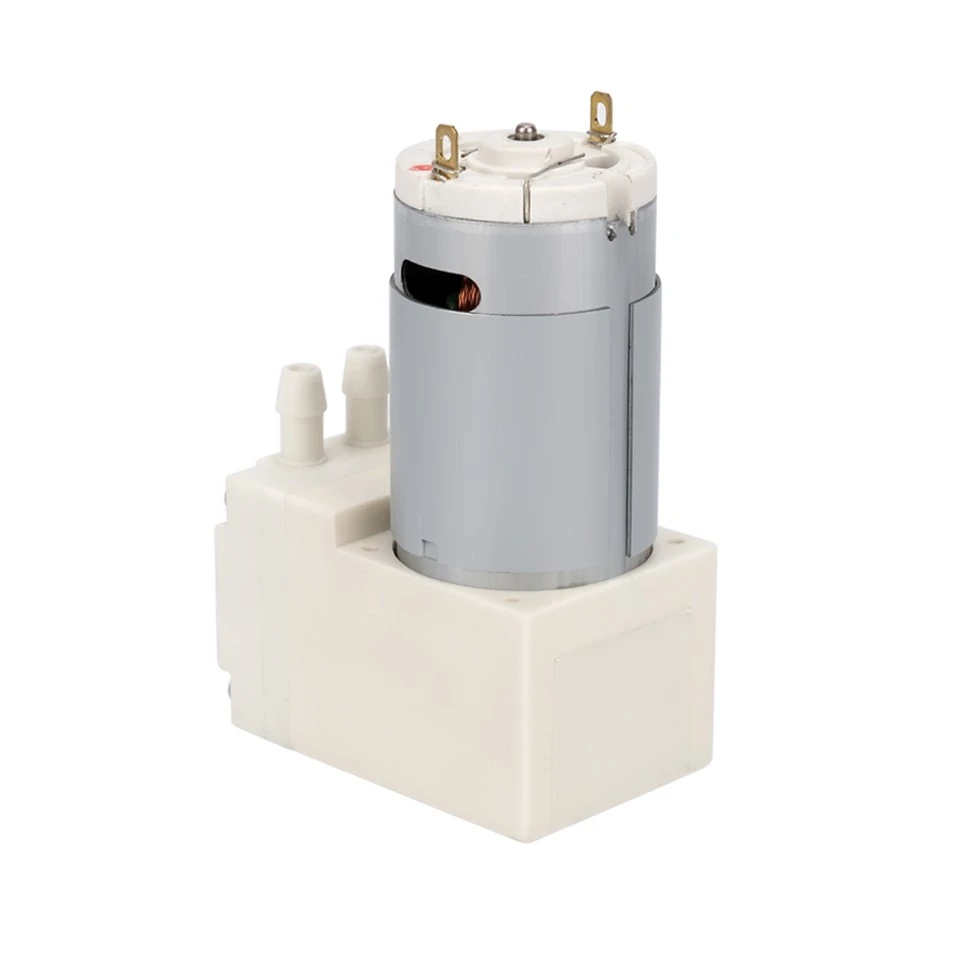
We offer a variety of medical peristaltic pumps that are designed to meet different needs. If you're looking for a Mini Low Flow Volume Low Pressure Pump, we've got you covered. This pump is perfect for applications where precise and low - volume fluid delivery is required.
For those in need of a reliable air pump, our 12V Piston Compressor DC Air Pump is a great choice. It provides stable air pressure and is suitable for many medical applications.
And if you're looking for an oil - free option, our Oil Free Micro Air Suction Pump is ideal. It's clean, efficient, and perfect for applications where oil contamination is a concern.
Let's Connect!
If you're interested in learning more about our medical peristaltic pumps or have specific requirements for your operating environment, don't hesitate to reach out. We're here to help you find the perfect solution for your needs. Whether you're a hospital, a research lab, or a medical device manufacturer, we can provide the high - quality pumps and support you need.
References
- "Handbook of Medical Device Technology", Second Edition, edited by Joseph D. Bronzino.
- "Medical Equipment Maintenance and Management", by various industry experts.