

As a supplier of Oil-Free Diaphragm Vacuum Pumps, I understand the critical role pressure stability plays in the performance of these pumps. Pressure stability is not only essential for the efficient operation of the pump itself but also for the processes it supports. In this blog post, I will share some effective strategies on how to improve the pressure stability of an oil-free diaphragm vacuum pump.
Understanding the Basics of Oil-Free Diaphragm Vacuum Pumps
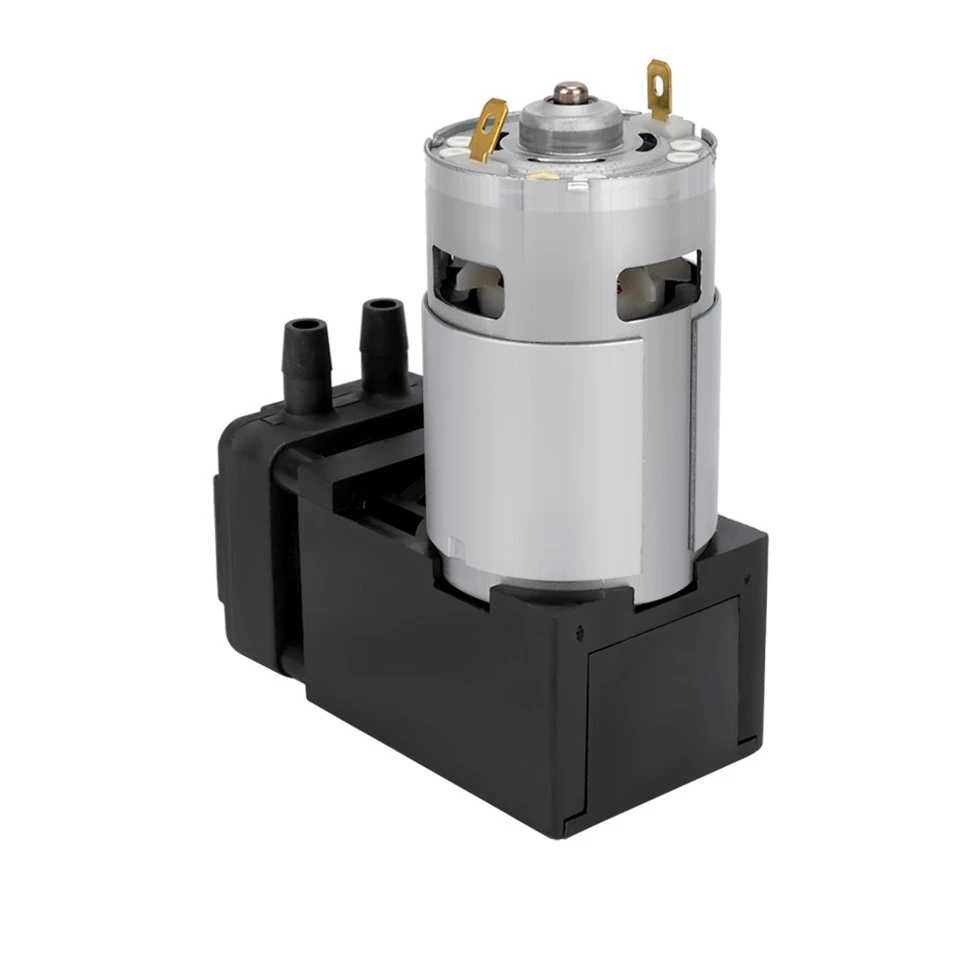
Before delving into the methods of improving pressure stability, it is important to have a basic understanding of how oil-free diaphragm vacuum pumps work. These pumps operate by using a flexible diaphragm that moves back and forth to create a vacuum. The diaphragm acts as a barrier between the pumping chamber and the external environment, preventing the contamination of the pumped gas by oil or other lubricants.
The pressure stability of an oil-free diaphragm vacuum pump is influenced by several factors, including the design of the pump, the quality of the diaphragm, the operating conditions, and the maintenance practices. By addressing these factors, we can significantly enhance the pressure stability of the pump.
Selecting the Right Pump Design
The design of the oil-free diaphragm vacuum pump plays a crucial role in determining its pressure stability. When selecting a pump, it is important to consider the following design features:
- Multi-Stage Design: Multi-stage pumps are designed to provide higher vacuum levels and better pressure stability compared to single-stage pumps. By using multiple pumping chambers, these pumps can achieve a more uniform vacuum and reduce pressure fluctuations.
- Balanced Diaphragm Design: A balanced diaphragm design helps to minimize the stress on the diaphragm and reduce the risk of diaphragm failure. This can improve the overall reliability and pressure stability of the pump.
- Optimized Valve Design: The valves in the pump play a key role in controlling the flow of gas and maintaining the pressure. An optimized valve design can ensure smooth and efficient gas flow, reducing pressure pulsations and improving pressure stability.
For more information on our range of high-quality Oil-Free Diaphragm Vacuum Pump, please visit our website.
Ensuring High-Quality Diaphragms
The diaphragm is one of the most critical components of an oil-free diaphragm vacuum pump. A high-quality diaphragm can significantly improve the pressure stability and reliability of the pump. When selecting a diaphragm, consider the following factors:
- Material Quality: The material of the diaphragm should be resistant to chemical corrosion, wear, and tear. Common materials used for diaphragms include PTFE, EPDM, and silicone.
- Thickness and Flexibility: The thickness and flexibility of the diaphragm can affect its performance. A diaphragm that is too thick may be less flexible and more prone to cracking, while a diaphragm that is too thin may not provide sufficient strength and durability.
- Proper Installation: The diaphragm should be installed correctly to ensure proper sealing and operation. Improper installation can lead to leaks and pressure fluctuations.
Regular inspection and replacement of the diaphragm are also important to maintain the pressure stability of the pump. If you notice any signs of diaphragm damage or wear, such as cracks, tears, or leaks, it is recommended to replace the diaphragm immediately.
Controlling Operating Conditions
The operating conditions of the oil-free diaphragm vacuum pump can have a significant impact on its pressure stability. Here are some key operating conditions to consider:
- Temperature: Extreme temperatures can affect the performance of the pump and the diaphragm. It is important to operate the pump within the recommended temperature range to ensure optimal performance and pressure stability.
- Flow Rate: The flow rate of the gas being pumped should be within the rated capacity of the pump. Exceeding the flow rate can cause pressure fluctuations and reduce the efficiency of the pump.
- Pressure Settings: The pressure settings of the pump should be adjusted correctly to match the requirements of the application. Incorrect pressure settings can lead to unstable operation and pressure fluctuations.
In addition, it is important to ensure that the pump is installed in a clean and well-ventilated environment to prevent the accumulation of dust and debris, which can affect the performance of the pump.

Implementing Regular Maintenance Practices
Regular maintenance is essential for ensuring the long-term performance and pressure stability of an oil-free diaphragm vacuum pump. Here are some important maintenance practices to follow:
- Cleaning: Regularly clean the pump and its components to remove dust, debris, and contaminants. This can prevent clogging and ensure smooth operation.
- Lubrication: Although oil-free diaphragm vacuum pumps do not require oil lubrication, some components may require periodic lubrication with a suitable lubricant. Refer to the manufacturer's instructions for specific lubrication requirements.
- Inspection and Testing: Regularly inspect the pump for signs of wear, damage, or leaks. Perform pressure tests and other performance tests to ensure that the pump is operating within the specified parameters.
- Replacement of Wear Parts: Replace worn or damaged parts, such as diaphragms, valves, and seals, as soon as possible to prevent further damage and maintain the pressure stability of the pump.
By implementing a regular maintenance schedule, you can extend the lifespan of the pump and ensure its reliable operation.
Reducing Noise and Vibration
Noise and vibration can also affect the pressure stability of an oil-free diaphragm vacuum pump. Excessive noise and vibration can indicate a problem with the pump or its installation. Here are some ways to reduce noise and vibration:
- Proper Installation: Ensure that the pump is installed on a stable and level surface. Use vibration isolation pads or mounts to reduce the transmission of vibration to the surrounding environment.
- Balancing: Balance the rotating components of the pump to minimize vibration. This can improve the overall performance and pressure stability of the pump.
- Noise Reduction Measures: Consider using noise reduction measures, such as acoustic enclosures or mufflers, to reduce the noise generated by the pump.
For more information on reducing noise in high-performance diaphragm pumps, visit our High-Performance Diaphragm Pump Noise page.
Conclusion
Improving the pressure stability of an oil-free diaphragm vacuum pump requires a combination of proper pump selection, high-quality components, careful control of operating conditions, regular maintenance, and noise reduction measures. By following the strategies outlined in this blog post, you can enhance the performance and reliability of your pump, ensuring consistent and stable pressure for your applications.
If you are interested in learning more about our oil-free diaphragm vacuum pumps or have any questions about improving pressure stability, please do not hesitate to contact us. We are here to help you find the best solution for your specific needs. Whether you are in the market for a new pump or need assistance with maintenance and troubleshooting, our team of experts is ready to assist you. Start the conversation today and let's discuss how we can optimize your pumping system for maximum efficiency and pressure stability.
References
- Manufacturer's manuals and technical specifications for oil-free diaphragm vacuum pumps.
- Industry standards and best practices for vacuum pump operation and maintenance.