

Can a Small Capacity Water Pump be Used for a Small Water Desalination System?
As a supplier of Small Capacity Water Pump, I often receive inquiries from customers interested in using our pumps for various applications, including small water desalination systems. This blog post aims to explore the feasibility of using a small capacity water pump for such a system, delving into the technical aspects, advantages, and limitations.
Understanding Small Water Desalination Systems
Small water desalination systems are designed to remove salt and other impurities from seawater or brackish water, making it suitable for drinking, irrigation, or industrial use. These systems are typically used in remote areas, small communities, or for specific applications where access to fresh water is limited. There are several desalination methods, including reverse osmosis (RO), distillation, and electrodialysis, each with its own set of requirements and operating conditions.
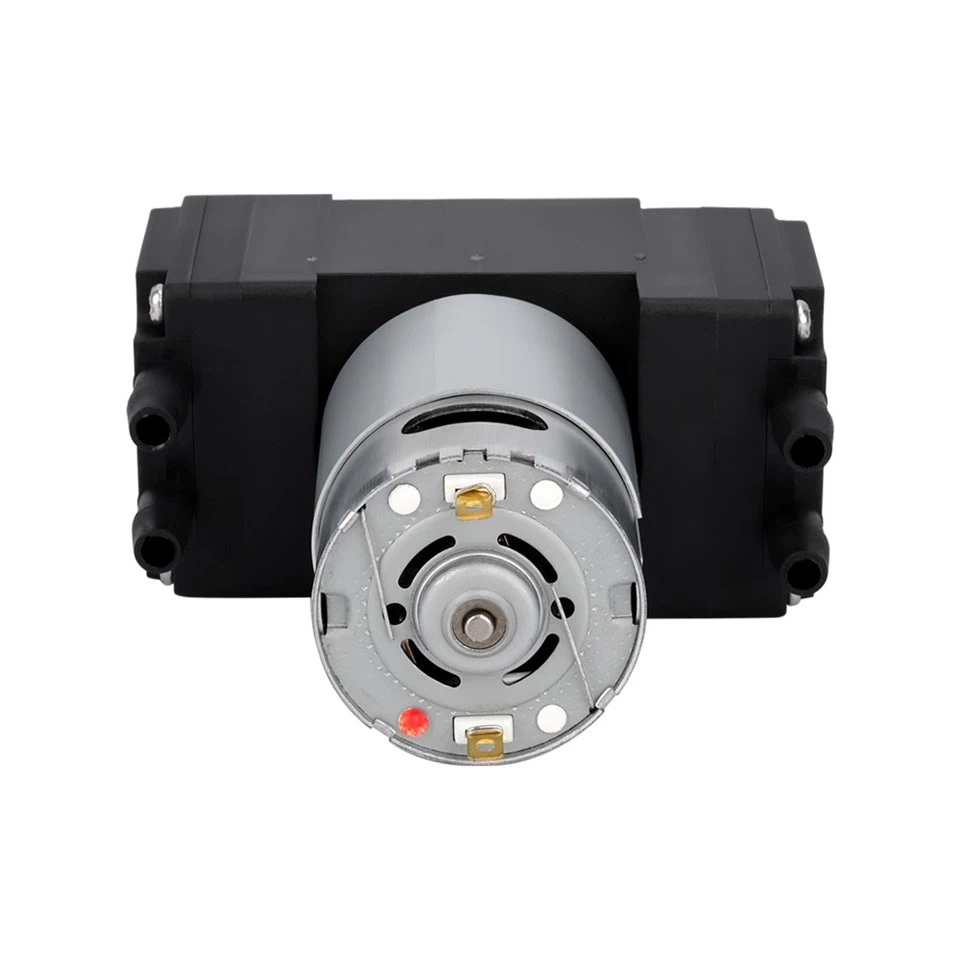

The Role of Water Pumps in Desalination
Water pumps play a crucial role in desalination systems by providing the necessary pressure and flow rate to drive the desalination process. In reverse osmosis systems, for example, a high-pressure pump is required to force water through a semi - permeable membrane, separating the salt and other impurities from the water. In distillation systems, pumps are used to circulate water, transfer heat, and remove the condensed freshwater.
Can a Small Capacity Water Pump be Used?
The answer to whether a small capacity water pump can be used for a small water desalination system is yes, but with certain limitations.
Advantages of Using a Small Capacity Water Pump
- Cost - effectiveness: Small capacity water pumps are generally more affordable than large - scale pumps. This makes them an attractive option for small - scale desalination projects with limited budgets.
- Energy efficiency: These pumps consume less energy, which is beneficial for off - grid or energy - constrained applications. For example, in a small island community where power generation is limited, a small capacity pump can operate with less power input, reducing the overall energy consumption of the desalination system.
- Compact size: Small capacity water pumps are more compact and easier to install. They can be easily integrated into small desalination units, which are often designed for portability or limited space applications.
Limitations
- Low flow rate: Small capacity pumps have a limited flow rate, which means they can only process a small amount of water per unit of time. This may not be sufficient for large - scale desalination needs. For example, if a community requires a large volume of freshwater for daily use, a small capacity pump may not be able to meet the demand.
- Pressure limitations: Some desalination processes, such as reverse osmosis, require high pressure to operate effectively. Small capacity pumps may not be able to generate the required pressure, especially when dealing with high - salinity water.
Types of Small Capacity Water Pumps Suitable for Desalination
- Negative Positive Pressure Pump: These pumps can generate both positive and negative pressure, which can be useful in certain desalination processes. For example, in some membrane - based desalination systems, negative pressure can be used to pre - filter the water, reducing the load on the main desalination membrane.
- Mini Micro Electronic Vacuum Air Pump: These pumps are small in size and can be used for applications where a small amount of water needs to be moved or where a vacuum is required. In some desalination systems, they can be used for tasks such as priming the system or removing air bubbles from the water.
Considerations for Using a Small Capacity Water Pump in a Desalination System
- System design: The desalination system must be carefully designed to match the capabilities of the small capacity pump. This includes selecting the appropriate desalination method, membrane type (in RO systems), and the overall layout of the system.
- Water quality: The quality of the feed water can significantly affect the performance of the pump and the desalination system. High - salinity or highly contaminated water may require additional pre - treatment steps or a more powerful pump.
- Maintenance: Regular maintenance is essential to ensure the long - term performance of the pump and the desalination system. Small capacity pumps may require more frequent maintenance due to their smaller components and higher operating stress.
Case Studies
There have been several successful applications of small capacity water pumps in small water desalination systems. In a small coastal village in Southeast Asia, a community installed a small reverse osmosis desalination system powered by a small capacity pump. The system was able to provide enough freshwater for drinking and basic household needs. The low cost and energy efficiency of the pump made it a sustainable solution for the community.
In another case, a research facility used a Mini Micro Electronic Vacuum Air Pump in a laboratory - scale desalination experiment. The pump was able to generate the necessary vacuum for a membrane - based desalination process, demonstrating its potential for small - scale research and development.
Conclusion
In conclusion, a small capacity water pump can be used for a small water desalination system, offering cost - effectiveness, energy efficiency, and compactness. However, it is important to consider the limitations, such as low flow rate and pressure limitations, and to carefully design the system to match the pump's capabilities.
If you are interested in exploring the use of small capacity water pumps for your desalination project, I encourage you to contact us. Our team of experts can provide you with detailed information, technical support, and help you select the most suitable pump for your specific needs. We are committed to providing high - quality products and excellent customer service to ensure the success of your desalination project.
References
- Elimelech, M., & Phillip, W. A. (2011). The future of seawater desalination: energy, technology, and the environment. Science, 333(6043), 712 - 717.
- Lattemann, S., & Höpner, T. (2008). Environmental impact and impact assessment of seawater desalination. Desalination, 220(1 - 3), 1 - 15.
- Wilf, M., & Klinko, I. V. (2009). Reverse osmosis technology: principles, applications, and recent developments. Desalination, 239(1 - 3), 1 - 8.