

As a supplier specializing in Small Capacity Water Pumps, I've encountered numerous inquiries about the vibration levels of these pumps during operation. Understanding the vibration characteristics is crucial for both the proper functioning of the pump and the overall system it's integrated into.
Understanding Vibration in Small Capacity Water Pumps
Vibration is an inherent phenomenon in the operation of any mechanical device, and small - capacity water pumps are no exception. These pumps typically operate at high speeds to move water efficiently, and this motion generates vibration. The vibration level can vary significantly depending on several factors such as the design of the pump, the quality of its components, and its operating conditions.
Design Factors
The design of a small - capacity water pump plays a fundamental role in determining its vibration level. For instance, well - designed impellers that are balanced accurately will have lower vibration levels. An unbalanced impeller can cause uneven forces during rotation, leading to increased vibration. Additionally, the pump's housing structure and its connection to the base also influence vibration. A rigid and well - engineered housing can help dampen vibrations, while a flimsy or poorly connected housing may amplify them.
Component Quality
The quality of components used in the pump also matters a great deal. High - quality bearings, for example, can reduce friction and minimize vibration. Bearings that are worn or of inferior quality can produce excessive noise and vibration as the pump operates. Similarly, the motor, which is the driving force behind the pump, should be of good quality. A well - manufactured motor with proper alignment will result in more stable operation and lower vibration levels.
Operating Conditions
The conditions under which the pump operates can have a significant impact on its vibration. If the pump is operating at a flow rate that is far from its optimal design point, it can experience increased vibration. For example, if a pump is designed to work best at a specific flow rate and is instead forced to operate at a much lower or higher rate, the internal fluid dynamics can be disrupted, leading to unsteady operation and higher vibration. Also, the quality of the water being pumped, such as its temperature, viscosity, and the presence of debris, can affect the pump's vibration.
Measuring Vibration Levels
To assess the vibration levels of small - capacity water pumps, specialized equipment is used. Vibration sensors, also known as accelerometers, are commonly employed. These sensors are placed on different parts of the pump, such as the motor housing or the pump casing, to measure the acceleration of the vibration in different directions (usually in three axes: X, Y, and Z).
The vibration data collected by the sensors is then analyzed. One important metric is the root - mean - square (RMS) value of the vibration acceleration. This value provides an overall measure of the vibration level and is often used to compare different pumps or to monitor the health of a single pump over time. In general, for small - capacity water pumps, acceptable RMS vibration levels typically range from 0.1 to 3.0 mm/s, depending on the specific application and the pump's design.
Impact of Vibration on Pump Performance and Longevity
Excessive vibration can have several negative impacts on the performance and longevity of small - capacity water pumps. Firstly, it can cause mechanical wear and tear. High - frequency vibrations can loosen the pump's components over time, leading to increased friction and premature failure. For example, bolts may become loose, and bearings may wear out faster.
Secondly, vibration can also affect the pump's efficiency. When a pump vibrates excessively, it may not be able to move water as smoothly as it should. This can result in energy losses and a decrease in the pump's overall performance. Additionally, excessive vibration can generate noise, which can be a nuisance in applications where quiet operation is required, such as in household or laboratory settings.

Controlling and Reducing Vibration Levels
As a [self - introduced as a Small Capacity Water Pump Supplier], we take several measures to control and reduce the vibration levels of our pumps. Firstly, we focus on high - quality design and manufacturing. We ensure that all impellers are precisely balanced during the production process. This helps to minimize the unbalanced forces that can cause vibration.
Secondly, we use high - grade components in our pumps. The bearings we select are of the highest quality, and the motors are carefully engineered and aligned to ensure smooth operation. We also pay attention to the pump's housing design. Our pump housings are made of sturdy materials and are designed to dampen vibrations effectively.
In addition to these design and manufacturing measures, proper installation and maintenance are also key to controlling vibration. We provide detailed installation instructions to our customers, emphasizing the importance of proper alignment and secure mounting of the pump. Regular maintenance, such as bearing lubrication and checking for loose components, can also help to keep the vibration levels in check.
Our Range of Small Capacity Water Pumps
At our company, we offer a diverse range of Small Capacity Water Pumps to meet different customer needs. Our pumps are known for their low vibration levels, high efficiency, and long - lasting performance. Whether you need a pump for a small - scale domestic water supply, a laboratory application, or a light - industrial use, we have the right solution for you.
One of our popular products is the Negative Positive Pressure Pump. This pump is designed to operate under both negative and positive pressure conditions, making it suitable for a wide range of applications. It is engineered with high - quality components and a well - balanced design, resulting in low vibration levels during operation.
Another product is the Metering Dispenser Dosing Peristaltic Pump. This pump is ideal for applications where precise metering and dosing of water or other fluids are required. Its unique peristaltic design not only provides accurate flow control but also helps to reduce vibration, making it a reliable choice for many industries.
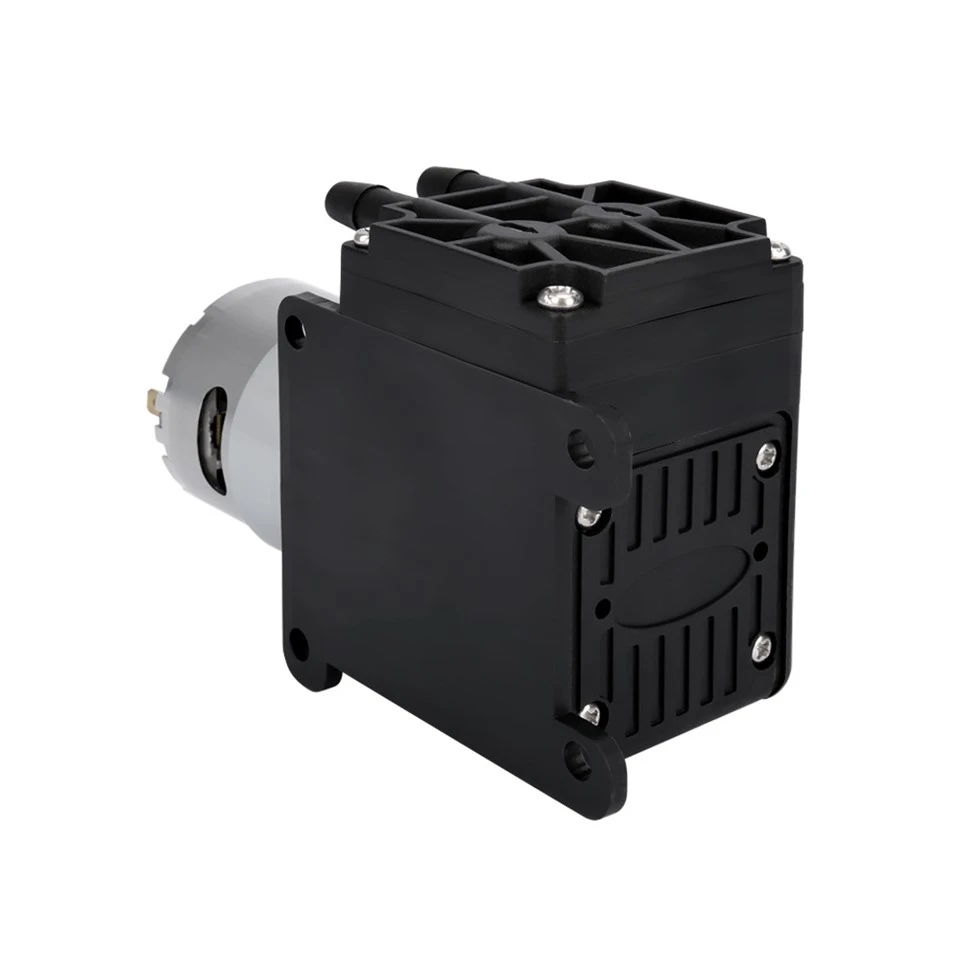
Of course, our Small Capacity Water Pump series is also a top - seller. These pumps are compact, efficient, and designed to operate with minimal vibration. They are suitable for various small - scale water - moving applications, such as in small water features, aquariums, or for simple water transfer tasks.
Contact Us for Purchase and Consultation
If you are in the market for a small - capacity water pump and are concerned about vibration levels, we are here to help. Our team of experts can provide you with detailed information about our products, including their vibration characteristics and performance. We are committed to providing high - quality pumps that meet your specific requirements and ensure smooth and reliable operation.
Whether you have questions about the technical specifications, need advice on installation and maintenance, or are ready to place an order, feel free to reach out to us. We look forward to the opportunity to work with you and help you find the perfect small - capacity water pump for your needs.
References
- Pump Handbook, Karassik, I. J., Messina, J. P., Cooper, P. W., & Heald, C. C. (Eds.). (2008). McGraw - Hill.
- Vibration Analysis for Rotating Machinery: A Practical Guide, Beards, C. F. (2005). Springer.