

What is the minimum vacuum level a Mini Micro Electronic Vacuum Air Pump can maintain?
As a supplier of Mini Micro Electronic Vacuum Air Pumps, I often encounter inquiries from customers about the minimum vacuum level these pumps can maintain. Understanding this parameter is crucial for various applications, from laboratory experiments to industrial processes. In this blog, I will delve into the concept of minimum vacuum level, factors affecting it in Mini Micro Electronic Vacuum Air Pumps, and how it can impact your specific needs.
Understanding Vacuum Level
Before we discuss the minimum vacuum level, let's first understand what vacuum level means. Vacuum is a space devoid of matter, and vacuum level is a measure of how close a given space is to a perfect vacuum. It is typically expressed in units such as Pascal (Pa), Torr, or millimeter of mercury (mmHg). A lower vacuum level indicates a higher degree of vacuum, meaning there are fewer gas molecules present in the space.
In the context of Mini Micro Electronic Vacuum Air Pumps, the minimum vacuum level refers to the lowest pressure the pump can achieve and maintain within the system it is connected to. This parameter is a key performance indicator, as it determines the pump's ability to perform specific tasks effectively.
Factors Affecting the Minimum Vacuum Level
Several factors can influence the minimum vacuum level that a Mini Micro Electronic Vacuum Air Pump can maintain. Understanding these factors can help you select the right pump for your application and ensure optimal performance.
Pump Design and Technology
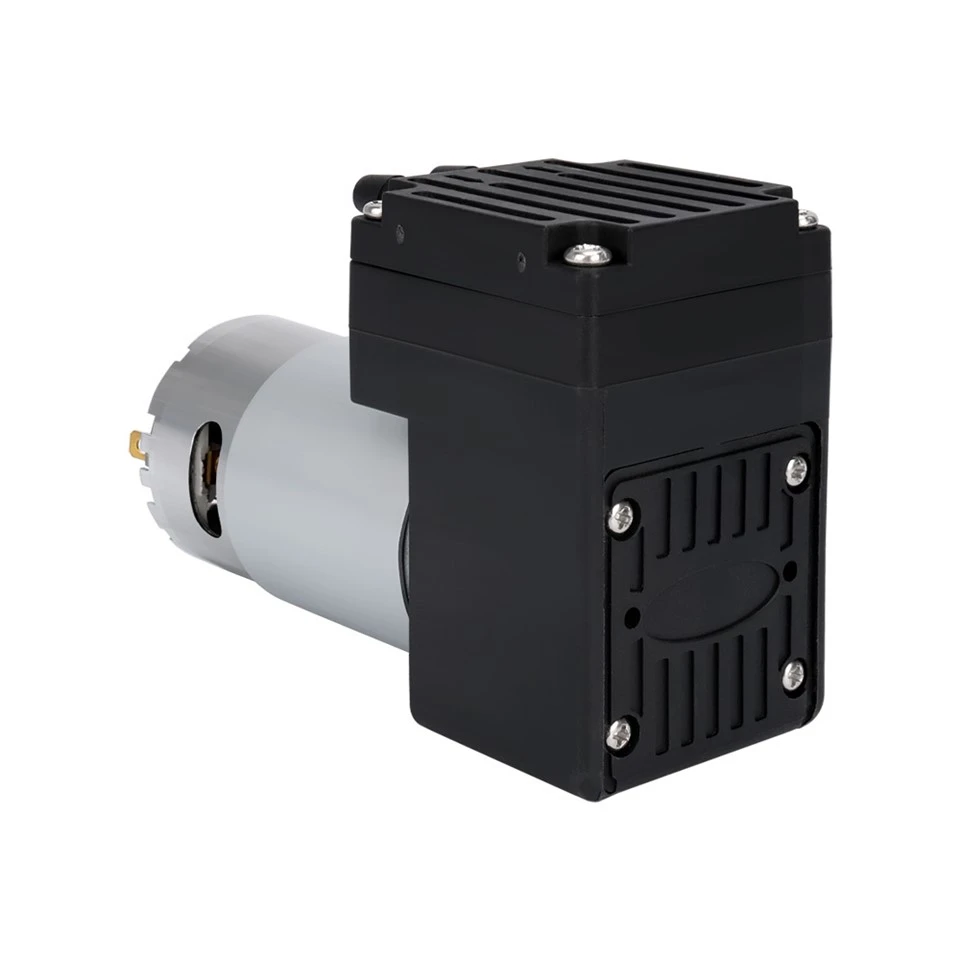
The design and technology of the pump play a significant role in determining its minimum vacuum level. Different types of Mini Micro Electronic Vacuum Air Pumps use various mechanisms to create and maintain a vacuum. For example, diaphragm pumps, such as the Diaphragm Micro Pump Low Pressure, use a flexible diaphragm that moves back and forth to displace air and create a vacuum. The efficiency of this mechanism, along with the quality of the diaphragm and other components, can affect the minimum vacuum level the pump can achieve.
Sealing and Leakage
The integrity of the pump's sealing is crucial for maintaining a stable vacuum level. Any leaks in the pump or the connected system can allow air to enter, increasing the pressure and reducing the vacuum level. High-quality seals and proper installation are essential to minimize leakage and ensure the pump can reach and maintain its minimum vacuum level.
Gas Load and Outgassing
The amount of gas present in the system, known as the gas load, can also impact the minimum vacuum level. If the gas load is too high, the pump may struggle to remove all the gas molecules and maintain a low pressure. Additionally, materials in the system may release gases over time, a process called outgassing. This can further increase the gas load and reduce the vacuum level. Selecting materials with low outgassing rates and properly degassing the system can help mitigate these effects.
Operating Conditions
The operating conditions, such as temperature and humidity, can also affect the performance of the pump. Higher temperatures can increase the vapor pressure of gases, making it more difficult for the pump to maintain a low pressure. Similarly, high humidity can introduce moisture into the system, which can condense and affect the pump's operation. It is important to consider these factors and ensure the pump is operated within its specified temperature and humidity range.
Typical Minimum Vacuum Levels of Mini Micro Electronic Vacuum Air Pumps
The minimum vacuum level that a Mini Micro Electronic Vacuum Air Pump can maintain varies depending on the pump's design, size, and application. Generally, these pumps can achieve minimum vacuum levels ranging from a few hundred Pascals to a few millibars.
For applications that require a relatively low vacuum level, such as air sampling or light suction, pumps like the Air Pump DC 12V - 24V can often provide sufficient performance. These pumps can typically maintain a minimum vacuum level in the range of a few hundred to a few thousand Pascals.
On the other hand, for applications that demand a higher degree of vacuum, such as semiconductor manufacturing or high-precision laboratory experiments, more advanced Mini Micro Electronic Vacuum Air Pumps may be required. These pumps can achieve minimum vacuum levels in the millibar or even lower range.
Importance of the Minimum Vacuum Level in Applications
The minimum vacuum level is a critical parameter in many applications, as it directly affects the performance and quality of the process. Here are some examples:
Medical and Laboratory Applications
In medical and laboratory settings, Mini Micro Electronic Vacuum Air Pumps are often used for tasks such as sample aspiration, fluid transfer, and vacuum filtration. Maintaining a consistent and low vacuum level is essential to ensure accurate and reliable results. For example, in a DNA sequencing experiment, a precise vacuum level is required to control the flow of reagents and samples through the sequencing device.
Industrial Applications
In industrial applications, Mini Micro Electronic Vacuum Air Pumps are used in a wide range of processes, including packaging, printing, and semiconductor manufacturing. In packaging, a reliable vacuum level is necessary to seal products effectively and prevent contamination. In semiconductor manufacturing, a high vacuum level is required to create a clean and controlled environment for the deposition of thin films and the fabrication of microchips.
Selecting the Right Mini Micro Electronic Vacuum Air Pump
When selecting a Mini Micro Electronic Vacuum Air Pump, it is important to consider your specific application requirements and the minimum vacuum level needed. Here are some tips to help you make the right choice:
Determine Your Vacuum Requirements
First, determine the minimum vacuum level required for your application. Consider factors such as the type of process, the materials involved, and any regulatory requirements. This will help you narrow down your options and select a pump that can meet your needs.
Consider Pump Performance and Features
In addition to the minimum vacuum level, consider other performance parameters such as flow rate, pumping speed, and noise level. These factors can also impact the pump's suitability for your application. For example, if you need a pump for a high-throughput process, a pump with a high flow rate and pumping speed may be more appropriate.
Evaluate Pump Quality and Reliability
Choose a pump from a reputable supplier that offers high-quality products and reliable customer support. Look for pumps that are made from durable materials and have a proven track record of performance. Reading customer reviews and testimonials can also provide valuable insights into the pump's quality and reliability.
Seek Professional Advice
If you are unsure which pump is right for your application, don't hesitate to seek professional advice. Our team of experts is available to help you select the most suitable Mini Micro Electronic Vacuum Air Pump based on your specific requirements.

Conclusion
The minimum vacuum level that a Mini Micro Electronic Vacuum Air Pump can maintain is a crucial parameter that determines its performance and suitability for various applications. By understanding the factors that affect the minimum vacuum level, you can select the right pump for your needs and ensure optimal performance.
If you are in the market for a Mini Micro Electronic Vacuum Air Pump, we are here to help. As a leading supplier of high-quality pumps, we offer a wide range of products to meet your specific requirements. Whether you need a pump for a medical laboratory, an industrial process, or any other application, we have the expertise and experience to provide you with the right solution.
Contact us today to discuss your needs and start the procurement process. We look forward to working with you to achieve your goals.
References
- "Vacuum Technology Handbook" by O'Hanlon, John F.
- "Introduction to Vacuum Physics and Technology" by Hollmann, Eberhard.