

The maximum depth from which a small capacity water pump can pump water is a crucial consideration for many applications. As a supplier of Small Capacity Water Pump, I've encountered numerous inquiries regarding this topic. In this blog post, I'll delve into the factors that determine the maximum pumping depth of small capacity water pumps and provide insights to help you make informed decisions.
Understanding Small Capacity Water Pumps
Small capacity water pumps are designed for various applications where low - volume water transfer is required. These pumps are commonly used in household settings for tasks like draining small ponds, watering gardens, or in small - scale industrial applications such as cooling systems in small machinery. They come in different types, including diaphragm pumps, peristaltic pumps, and centrifugal pumps, each with its own characteristics and limitations.
Diaphragm Micro Pump Low Pressure is a type of small capacity water pump. It operates by using a flexible diaphragm that moves back and forth, creating a vacuum to draw water in and then pushing it out. This type of pump is known for its simplicity, reliability, and ability to handle small volumes of water.
Metering Dispenser Dosing Peristaltic Pump is another option. It works by squeezing a flexible tube to move the fluid. This pump is highly accurate in metering the amount of water being pumped, making it suitable for applications where precise dosing is required.
Factors Affecting the Maximum Pumping Depth
Atmospheric Pressure
The most fundamental limit to the suction lift of any water pump is determined by atmospheric pressure. At sea level, the standard atmospheric pressure is approximately 101.3 kPa. This pressure can support a column of water about 10.3 meters high. In theory, this means that the maximum suction lift of a water pump at sea level is limited to around 10.3 meters. However, in practice, due to factors such as friction losses, vapor pressure, and inefficiencies in the pump, the actual maximum suction lift is usually less than this theoretical value.
Pump Design and Efficiency
The design of the pump plays a significant role in determining its maximum pumping depth. Different pump types have different capabilities. For example, centrifugal pumps rely on the rotation of an impeller to create a centrifugal force that moves the water. These pumps are generally better at high - flow applications but may have limitations in terms of suction lift. Diaphragm pumps, on the other hand, can create a relatively strong vacuum, allowing them to have a better suction performance compared to some other types of small capacity pumps.
The efficiency of the pump also affects the pumping depth. A more efficient pump can convert more of the input energy into useful work, which means it can lift water to a greater height. Factors such as the quality of the materials used, the precision of the manufacturing process, and the design of the internal components all contribute to the pump's efficiency.
Vapor Pressure of Water
As water is lifted by the pump, the pressure at the inlet of the pump decreases. When the pressure drops below the vapor pressure of water at the given temperature, the water starts to vaporize, forming bubbles. This phenomenon is known as cavitation. Cavitation can cause damage to the pump components and reduce the pump's performance. The vapor pressure of water increases with temperature. For example, at 20°C, the vapor pressure of water is about 2.34 kPa, while at 80°C, it is about 47.36 kPa. This means that as the water temperature increases, the maximum suction lift of the pump decreases.
Friction Losses
Friction losses occur as the water flows through the pipes and fittings connected to the pump. These losses depend on the length and diameter of the pipes, the roughness of the pipe walls, and the flow rate of the water. Longer pipes and smaller diameters result in higher friction losses. To minimize friction losses, it is important to use pipes with an appropriate diameter and keep the length of the suction pipe as short as possible.
Typical Maximum Pumping Depths for Small Capacity Water Pumps
In general, small capacity water pumps have a maximum suction lift of around 6 - 8 meters. However, this can vary depending on the factors mentioned above. For example, a well - designed diaphragm micro pump may be able to achieve a suction lift of up to 8 meters under ideal conditions, while a centrifugal pump may have a maximum suction lift of around 6 meters.
If the pump needs to pump water from a greater depth, a different approach may be required. One option is to use a submersible pump, which is placed directly in the water. Submersible pumps do not rely on suction lift and can pump water from much greater depths.
Practical Considerations for Selecting a Small Capacity Water Pump
When selecting a small capacity water pump for a specific application, it is important to consider the maximum pumping depth required. First, determine the depth of the water source. If the depth is within the range of the pump's maximum suction lift, a non - submersible pump may be suitable. However, if the depth exceeds the maximum suction lift, a submersible pump should be considered.
Also, consider the flow rate required for the application. Some pumps may be able to achieve a greater suction lift but have a lower flow rate, while others may have a higher flow rate but a lower suction lift. It is important to find a balance between the two based on the specific needs of the application.
Conclusion
The maximum depth from which a small capacity water pump can pump water is determined by a combination of factors, including atmospheric pressure, pump design and efficiency, vapor pressure of water, and friction losses. While the theoretical maximum suction lift at sea level is around 10.3 meters, in practice, small capacity water pumps typically have a maximum suction lift of 6 - 8 meters.

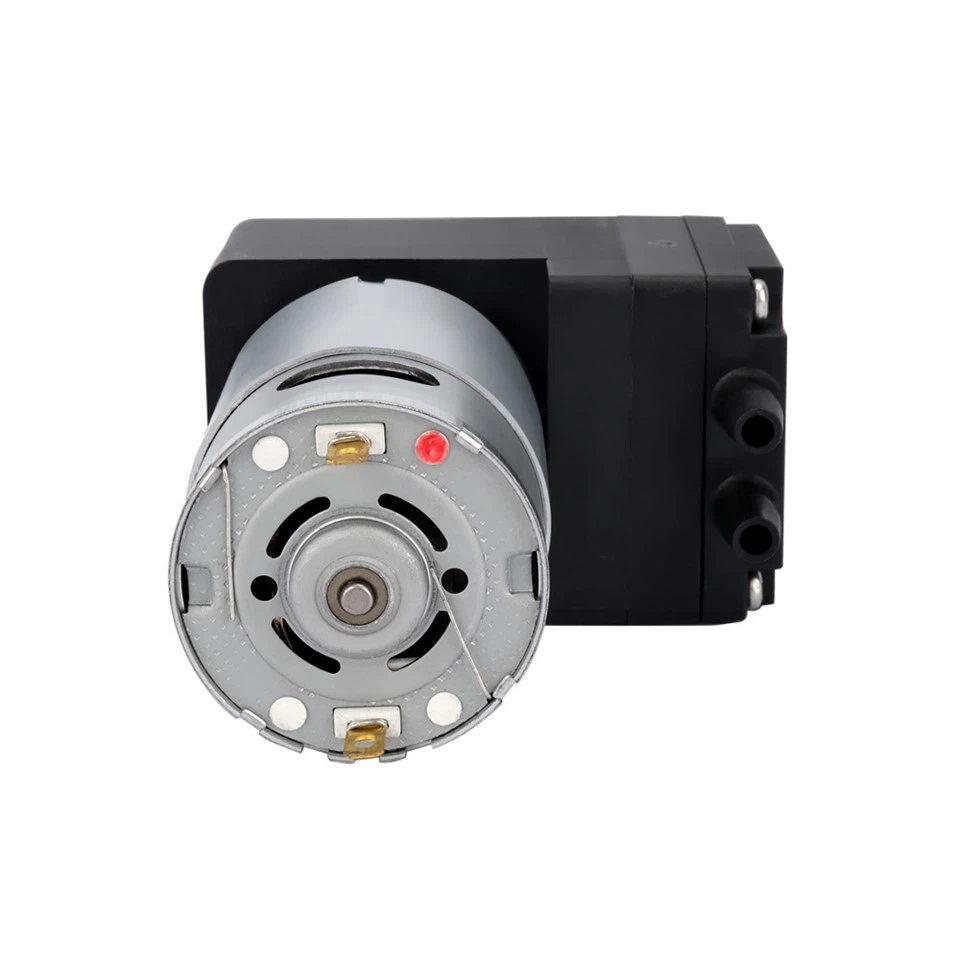
If you are in need of a small capacity water pump for your application, I encourage you to reach out to discuss your specific requirements. We have a wide range of pumps available, including Small Capacity Water Pump, Diaphragm Micro Pump Low Pressure, and Metering Dispenser Dosing Peristaltic Pump, and our team of experts can help you select the most suitable pump for your needs.
References
- Pump Handbook, Karassik et al.
- Fluid Mechanics textbooks, various authors.
- Manufacturer's specifications for small capacity water pumps.