

Cleaning a gas pump is a crucial maintenance task that ensures its optimal performance, longevity, and safety. As a gas pump supplier, I understand the importance of providing clear and detailed guidance on how to clean these essential pieces of equipment. In this blog post, I will walk you through the step-by-step process of cleaning a gas pump, from the necessary preparations to the final touches.
Preparing for the Cleaning Process
Before you start cleaning the gas pump, it is essential to gather all the necessary tools and materials. Here is a list of items you will need:
- Safety Gear: Wear protective gloves, safety glasses, and a respirator to protect yourself from any harmful chemicals or fumes.
- Cleaning Solutions: Choose a cleaning solution that is specifically designed for gas pumps. Avoid using abrasive or corrosive cleaners that can damage the pump's components.
- Soft Brushes and Cloths: Use soft-bristled brushes and lint-free cloths to clean the pump's surfaces without scratching them.
- Hose and Nozzle Cleaner: A specialized hose and nozzle cleaner can help remove stubborn dirt and debris from these critical components.
- Pressure Washer: If available, a pressure washer can be used to clean the exterior of the gas pump more efficiently.
Shutting Down the Gas Pump
Before you begin cleaning, it is crucial to shut down the gas pump to prevent any accidents or injuries. Follow these steps to safely shut down the pump:
- Turn Off the Power: Locate the power switch or breaker for the gas pump and turn it off. This will cut off the electrical supply to the pump and prevent it from operating during the cleaning process.
- Close the Valves: Close all the valves on the gas pump to prevent any fuel from flowing through the system. This includes the main fuel valve, the nozzle valve, and any other valves that control the flow of fuel.
- Relieve the Pressure: If the gas pump has a pressure relief valve, open it to relieve any pressure that may be built up in the system. This will prevent any fuel from spraying out when you start cleaning the pump.
Cleaning the Exterior of the Gas Pump
The exterior of the gas pump is exposed to dirt, dust, and other contaminants on a daily basis. Cleaning the exterior not only improves the pump's appearance but also helps prevent corrosion and damage to its components. Here's how you can clean the exterior of the gas pump:
- Remove Loose Debris: Use a soft brush or cloth to remove any loose dirt, dust, or debris from the surface of the gas pump. Pay special attention to the areas around the nozzle, hose, and display screen.
- Apply the Cleaning Solution: Spray the cleaning solution onto the exterior of the gas pump, focusing on the areas that are most dirty or stained. Allow the cleaning solution to sit for a few minutes to loosen the dirt and grime.
- Scrub the Surface: Use a soft brush or cloth to scrub the surface of the gas pump gently. Pay attention to any stubborn stains or dirt that may require extra attention. Avoid using abrasive brushes or cleaners that can scratch the pump's surface.
- Rinse the Exterior: Use a hose or pressure washer to rinse the exterior of the gas pump thoroughly. Make sure to remove all the cleaning solution and dirt from the surface.
- Dry the Exterior: Use a clean, dry cloth to dry the exterior of the gas pump. This will prevent any water spots or corrosion from forming on the surface.
Cleaning the Nozzle and Hose
The nozzle and hose are critical components of the gas pump that come into direct contact with the fuel. Cleaning these components regularly is essential to prevent fuel contamination and ensure the proper functioning of the pump. Here's how you can clean the nozzle and hose:
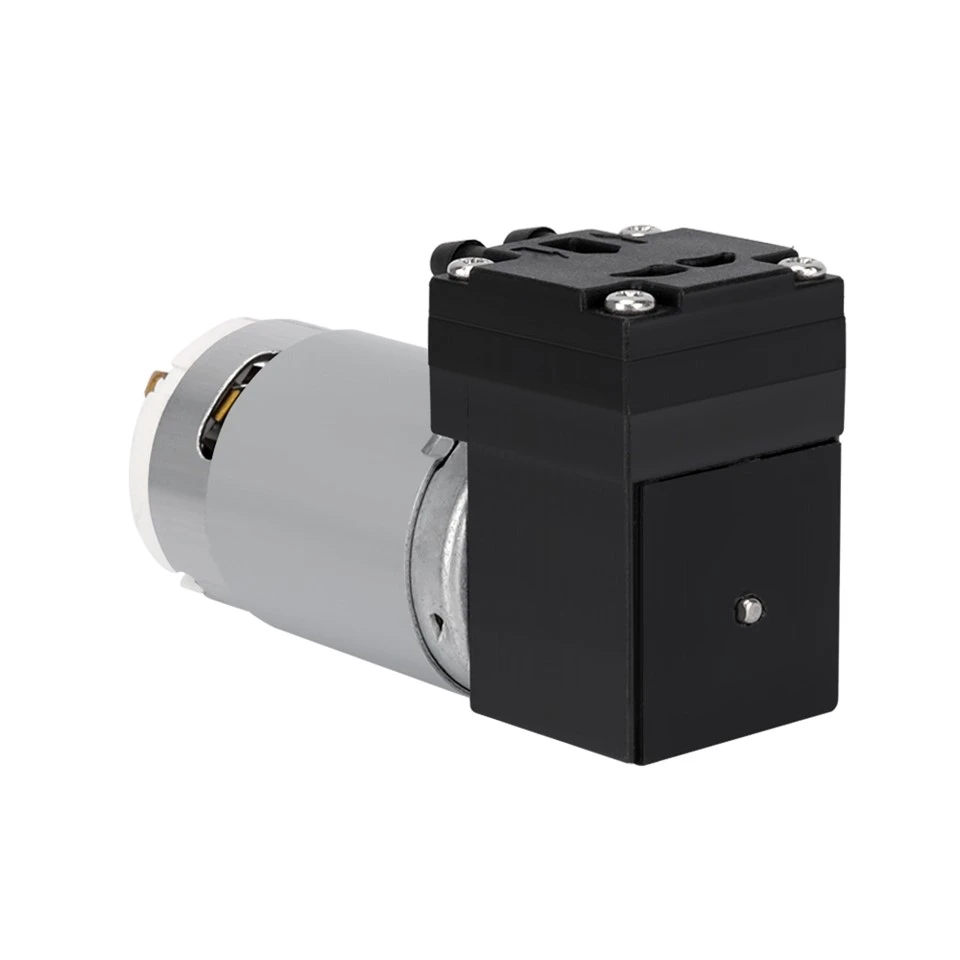

- Remove the Nozzle and Hose: Carefully remove the nozzle and hose from the gas pump. Follow the manufacturer's instructions to ensure that you remove these components safely.
- Soak the Nozzle and Hose: Fill a container with the cleaning solution and soak the nozzle and hose in the solution for a few minutes. This will help loosen any dirt, debris, or fuel residue that may be stuck to the components.
- Scrub the Nozzle and Hose: Use a soft brush or cloth to scrub the nozzle and hose gently. Pay attention to the areas around the tip of the nozzle and the inside of the hose. Make sure to remove all the dirt and debris from these components.
- Rinse the Nozzle and Hose: Use a hose or pressure washer to rinse the nozzle and hose thoroughly. Make sure to remove all the cleaning solution and dirt from the components.
- Dry the Nozzle and Hose: Use a clean, dry cloth to dry the nozzle and hose. Make sure to remove all the moisture from these components before reinstalling them on the gas pump.
Cleaning the Display Screen and Keypad
The display screen and keypad are important components of the gas pump that allow the user to interact with the system. Cleaning these components regularly is essential to ensure their proper functioning and readability. Here's how you can clean the display screen and keypad:
- Turn Off the Power: Before cleaning the display screen and keypad, make sure to turn off the power to the gas pump to prevent any electrical shock.
- Remove Loose Debris: Use a soft brush or cloth to remove any loose dirt, dust, or debris from the surface of the display screen and keypad.
- Apply the Cleaning Solution: Spray a small amount of the cleaning solution onto a soft, lint-free cloth. Do not spray the cleaning solution directly onto the display screen or keypad, as this can damage the components.
- Clean the Display Screen: Gently wipe the display screen with the damp cloth, using a circular motion. Make sure to remove all the dirt, fingerprints, and smudges from the screen.
- Clean the Keypad: Use the damp cloth to clean the keypad, paying attention to the individual keys. Make sure to remove all the dirt and debris from the keypad.
- Dry the Display Screen and Keypad: Use a clean, dry cloth to dry the display screen and keypad. Make sure to remove all the moisture from these components before turning on the power to the gas pump.
Cleaning the Interior of the Gas Pump
The interior of the gas pump contains various components that are responsible for the proper functioning of the system. Cleaning the interior regularly is essential to prevent the buildup of dirt, debris, and fuel residue, which can cause the pump to malfunction. Here's how you can clean the interior of the gas pump:
- Remove the Access Panels: Carefully remove the access panels on the gas pump to gain access to the interior components. Follow the manufacturer's instructions to ensure that you remove these panels safely.
- Vacuum the Interior: Use a vacuum cleaner with a soft brush attachment to vacuum the interior of the gas pump. Pay special attention to the areas around the motor, pump, and electrical components. Make sure to remove all the dirt, dust, and debris from the interior.
- Clean the Components: Use a soft brush or cloth to clean the individual components inside the gas pump. Pay attention to the areas that are most dirty or stained. Make sure to remove all the dirt and debris from these components.
- Inspect the Components: While cleaning the interior of the gas pump, take the time to inspect the individual components for any signs of damage or wear. Replace any damaged or worn components as needed.
- Reinstall the Access Panels: Once you have finished cleaning the interior of the gas pump, carefully reinstall the access panels. Make sure to secure the panels tightly to prevent any dirt or debris from entering the interior.
Reassembling and Testing the Gas Pump
After you have finished cleaning the gas pump, it is important to reassemble the components and test the pump to ensure that it is functioning properly. Here's how you can reassemble and test the gas pump:
- Reinstall the Nozzle and Hose: Carefully reinstall the nozzle and hose on the gas pump. Make sure to connect the components securely and tighten any fittings or connections.
- Open the Valves: Open all the valves on the gas pump to allow the fuel to flow through the system. This includes the main fuel valve, the nozzle valve, and any other valves that control the flow of fuel.
- Turn On the Power: Locate the power switch or breaker for the gas pump and turn it on. This will restore the electrical supply to the pump and allow it to operate.
- Test the Gas Pump: Start the gas pump and test it to ensure that it is functioning properly. Check the fuel flow, the display screen, and the keypad to make sure that they are all working correctly.
Conclusion
Cleaning a gas pump is a crucial maintenance task that ensures its optimal performance, longevity, and safety. By following the steps outlined in this blog post, you can clean your gas pump effectively and efficiently. Remember to always wear the appropriate safety gear, shut down the pump before cleaning, and use the right cleaning solutions and tools. If you have any questions or need further assistance, please do not hesitate to contact us for more information. We are a leading gas pump supplier, offering a wide range of high-quality gas pumps, including the Chemical Resistant Diaphragm Vacuum Pump, Durable Structure Mini Micro Vacuum Air Pump, and 12V 24V Single Head Fresh Water Pump. If you are interested in purchasing a gas pump or have any inquiries about our products, feel free to reach out to us for procurement discussions.
References
- American Petroleum Institute (API). (2023). Recommended Practices for Maintenance and Operation of Gasoline Dispensing Equipment.
- National Fire Protection Association (NFPA). (2023). NFPA 30A: Code for Motor Fuel Dispensing Facilities and Repair Garages.
- Gas Equipment Manufacturers Association (GEMA). (2023). Best Practices for Gas Pump Maintenance and Cleaning.