

In the dynamic realm of textile industries, the selection of appropriate equipment is crucial for ensuring high - quality production, efficiency, and cost - effectiveness. One such piece of equipment that often comes under consideration is the low pulsation diaphragm pump. As a supplier of low pulsation diaphragm pumps, I am well - positioned to explore whether these pumps can be effectively used in textile industries.
Understanding Low Pulsation Diaphragm Pumps
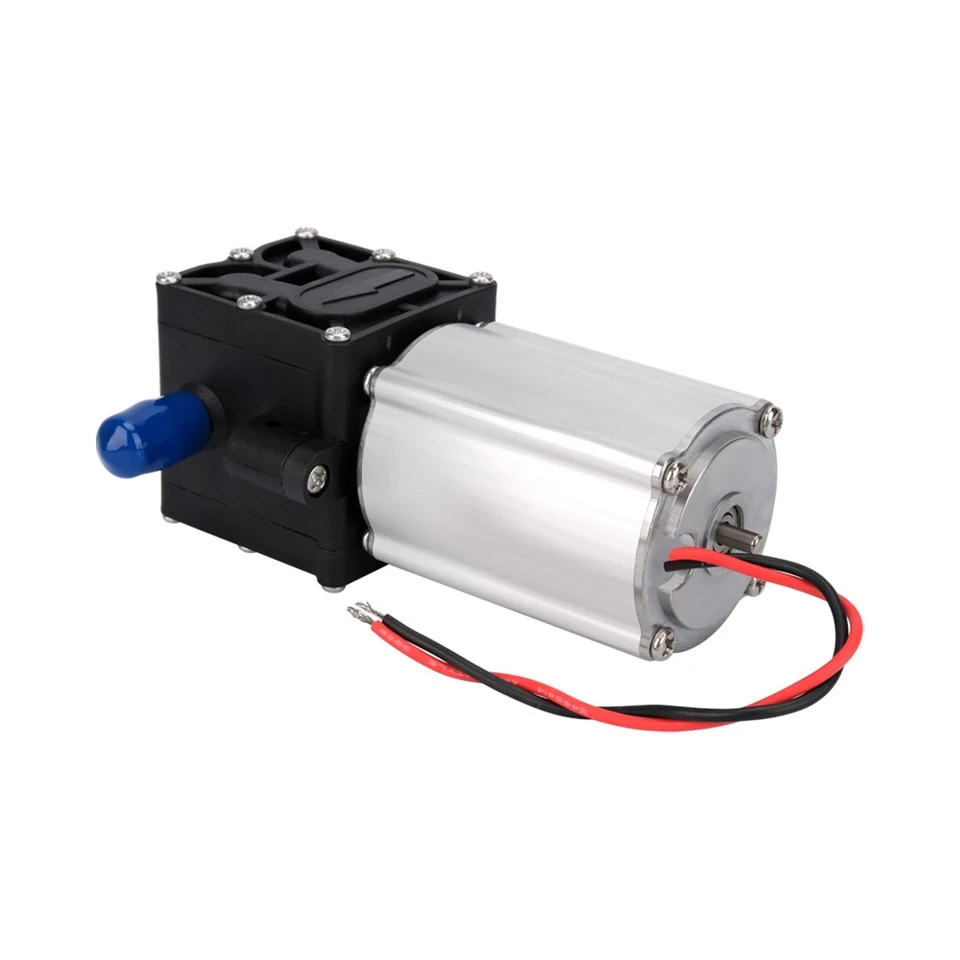
Before delving into their applicability in textile industries, it's essential to understand what low pulsation diaphragm pumps are. These pumps operate by using a flexible diaphragm that moves back and forth, creating a change in volume within a chamber. The diaphragm's movement draws fluid into the chamber and then expels it. The key feature of low pulsation diaphragm pumps is their ability to minimize the pulsation of the fluid flow. This is achieved through various design elements such as multiple diaphragms working in phase or advanced valve systems.
The benefits of low pulsation are numerous. A smooth, non - pulsating flow ensures a more consistent delivery of fluids, which is vital in many industrial processes. It reduces wear and tear on the pump and associated piping, leading to longer equipment lifespans and fewer maintenance requirements. Additionally, it can enhance the accuracy of fluid metering, which is particularly important in applications where precise amounts of fluid need to be delivered.
Applications in Textile Industries
Dyeing Processes
Dyeing is a fundamental process in the textile industry. In dyeing, a consistent and accurate supply of dye solutions is essential to achieve uniform coloration across the fabric. Low pulsation diaphragm pumps are well - suited for this task. The smooth flow they provide ensures that the dye is evenly distributed on the fabric. If the flow of the dye solution is pulsating, it can lead to uneven dyeing, resulting in color variations on the fabric.
For example, in a continuous dyeing process where fabric is passed through a dye bath, a low pulsation diaphragm pump can maintain a steady flow of dye solution. This helps in achieving a consistent color shade throughout the length and width of the fabric. Moreover, the accurate metering capabilities of these pumps allow for precise control of the amount of dye used, which is not only important for quality but also for cost - control.
Chemical Additive Delivery
Textile manufacturing often involves the use of various chemical additives such as softeners, antistatic agents, and flame retardants. These additives need to be added to the fabric or the processing solutions in specific quantities at the right time. Low pulsation diaphragm pumps can accurately deliver these chemicals. Their low - pulsation flow ensures that the additives are evenly mixed with the main fluid or applied to the fabric in a uniform manner.
For instance, when applying a softening agent to a batch of fabric, a low pulsation diaphragm pump can deliver the exact amount of the agent required. This results in a consistent softness across all the fabric pieces. The smooth flow also prevents splashing or uneven application, which could lead to inconsistent fabric properties.

Water Circulation
Water is used extensively in textile industries for processes such as washing, rinsing, and cooling. Low pulsation diaphragm pumps can be used for water circulation in these processes. A smooth water flow helps in efficient heat transfer during cooling processes and thorough cleaning during washing and rinsing operations.
In a textile washing machine, for example, a low pulsation diaphragm pump can circulate water evenly through the fabric, ensuring that all dirt and impurities are effectively removed. The reduced pulsation also means less stress on the washing machine components, leading to a longer service life.
Advantages Over Other Pump Types
Compared to Centrifugal Pumps
Centrifugal pumps are commonly used in many industrial applications, but they have some limitations in textile processes. Centrifugal pumps typically have a higher degree of pulsation, especially at low flow rates. This can be a problem in textile applications where a consistent flow is required. Low pulsation diaphragm pumps, on the other hand, can provide a smooth flow even at low flow rates, making them more suitable for precise textile processes such as dyeing and chemical additive delivery.
Compared to Gear Pumps
Gear pumps are known for their positive displacement capabilities, but they can generate significant pulsation, especially when the gears are worn. In textile industries, where the quality of the end - product is highly dependent on consistent fluid delivery, the low pulsation of diaphragm pumps gives them an edge over gear pumps. Additionally, diaphragm pumps are less likely to contaminate the fluid being pumped, which is important in textile processes where the purity of chemicals and dyes is crucial.
Our Product Offerings
As a supplier of low pulsation diaphragm pumps, we offer a range of products to meet the diverse needs of the textile industry. Our DC Motor 3V Small Water Pump is perfect for small - scale textile operations or for applications where a low - power, compact pump is required. It provides a low - pulsation flow and is easy to install and operate.
For more demanding applications, our High - Performance Small Water Pump 6v offers higher flow rates and greater pressure capabilities while still maintaining a low - pulsation output. This pump is suitable for larger textile plants or processes that require a more powerful fluid delivery system.
Our Single Head Diaphragm Pressure Water Pump is designed for applications where a single - point, high - pressure fluid delivery is needed. It is ideal for injecting chemicals or dyes into specific points in the textile manufacturing process.
Contact for Procurement
If you are in the textile industry and are looking for a reliable low pulsation diaphragm pump solution, we are here to help. Our team of experts can assist you in selecting the right pump for your specific needs. Whether you are a small - scale textile producer or a large industrial manufacturer, we have the products and knowledge to meet your requirements. Contact us to discuss your procurement needs and start optimizing your textile processes with our high - quality low pulsation diaphragm pumps.
References
- "Textile Manufacturing Processes" - A comprehensive textbook on textile production methods and equipment requirements.
- "Pump Handbook" - A reference book that provides in - depth information on different types of pumps, including diaphragm pumps and their performance characteristics.
- Industry reports on the use of pumps in textile industries, which highlight the importance of consistent fluid delivery in various textile processes.